Blog by Markéta Křížová
Curaduría de la antigüedad americana
In cooperation with Centro de Investigaciones y Educaciones Superiores en Antropología Social, San Cristóbal de Las Casas
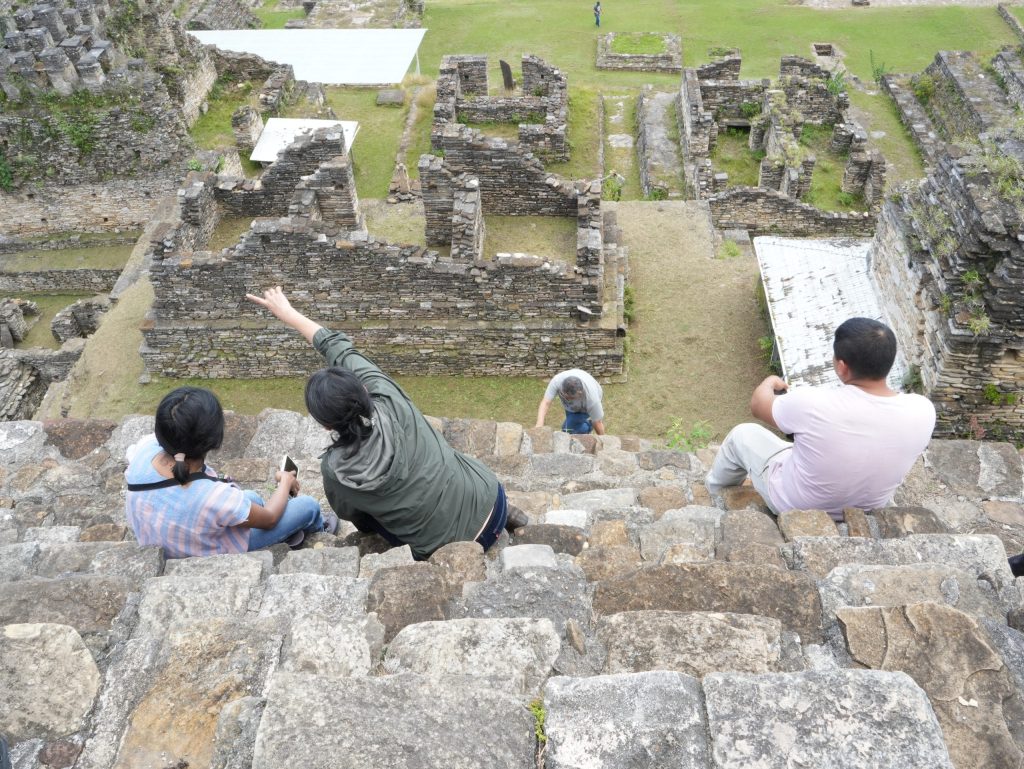
Image 1 Participants of Workshop climbing up the highest point of the pyramid in Toniná
Between January 26 and February 4, 2026, a workshop held in Mexico formed part of the partial fulfilment of Task 4.6, Histories of Colonial Science. The workshop aimed at uncovering the mechanisms of the appropriation of non-European material heritage in southern Mexico by European scholars, and examining how it has been incorporated into European historical narratives.
Program Framework and Research Approach
The workshop brought together ten students from CIESAS and other Mexican institutions. They conceptualized past and present appropriations of Mexican cultural heritage by European educational institutions, through participating in lectures, seminars, and field visits to Palenque and Toniná. And through preparatory readings and written reflections, they contributed critical perspectives on both the theoretical discussions and the practical experiences of site and museum visits.
Drawing on historiographic research, museum visits and consultations with scholars in the field, the objective was to ascertain the more general contexts and to identify the ways colonialism penetrated the European academic activities. In addition, contemporary curatorial strategies for archaeological sites were explored, in the view of the subsequent phase of the COLUMN project and the interventions dealing with diverse curatorial strategies.
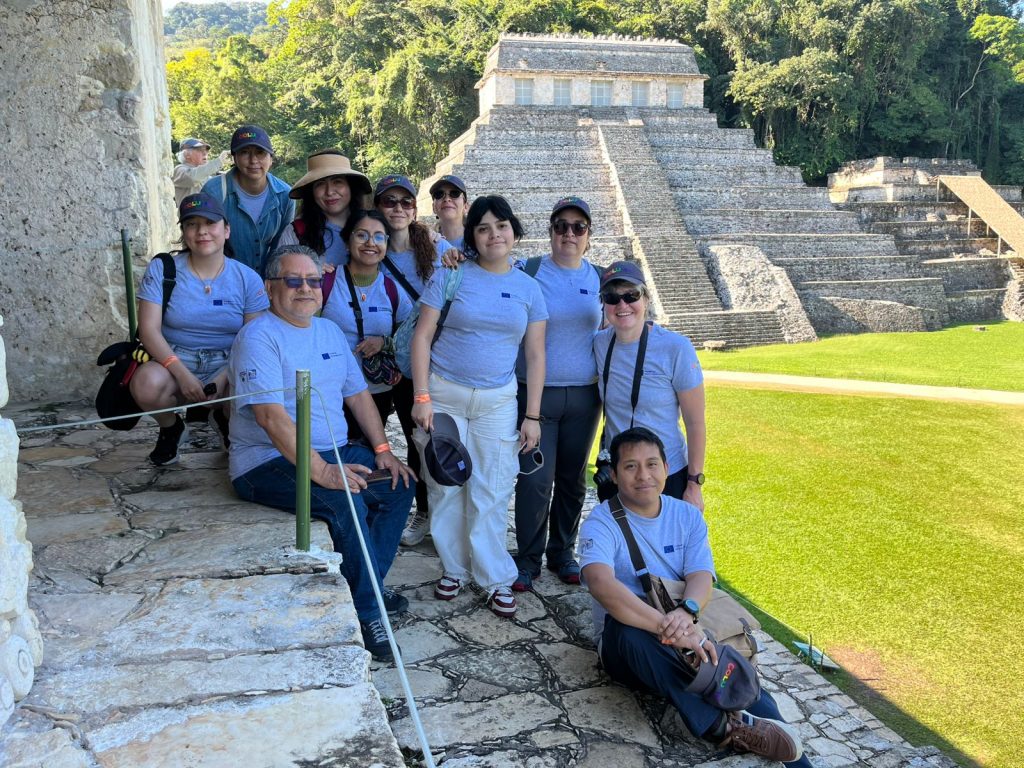
Image 2 The team in Palenque
Critical Insights from the Workshop
The workshop produced important outputs regarding certain Eurocentrism of the initial proposal of the COLUMN project, a critical attitude to some of the texts on decolonization of knowledge, and a profound insight into the specificities of Latin American/Mexican archaeology, anthropology, museum studies and curating. Among the most important takeaways, there was the highlighting of the dangers of attempting at critical revision of the colonial past becoming inscribed within a capitalist logic capable of devouring and commodifying valuable political processes. There is the risk of creating new, albeit more subtle, forms of power, in which criticism of the colonial order is transformed into a mere resource of symbolic, reputational, or even economic value. This may end up reproducing – in new forms – the very dynamics of power that were intended to be challenged.
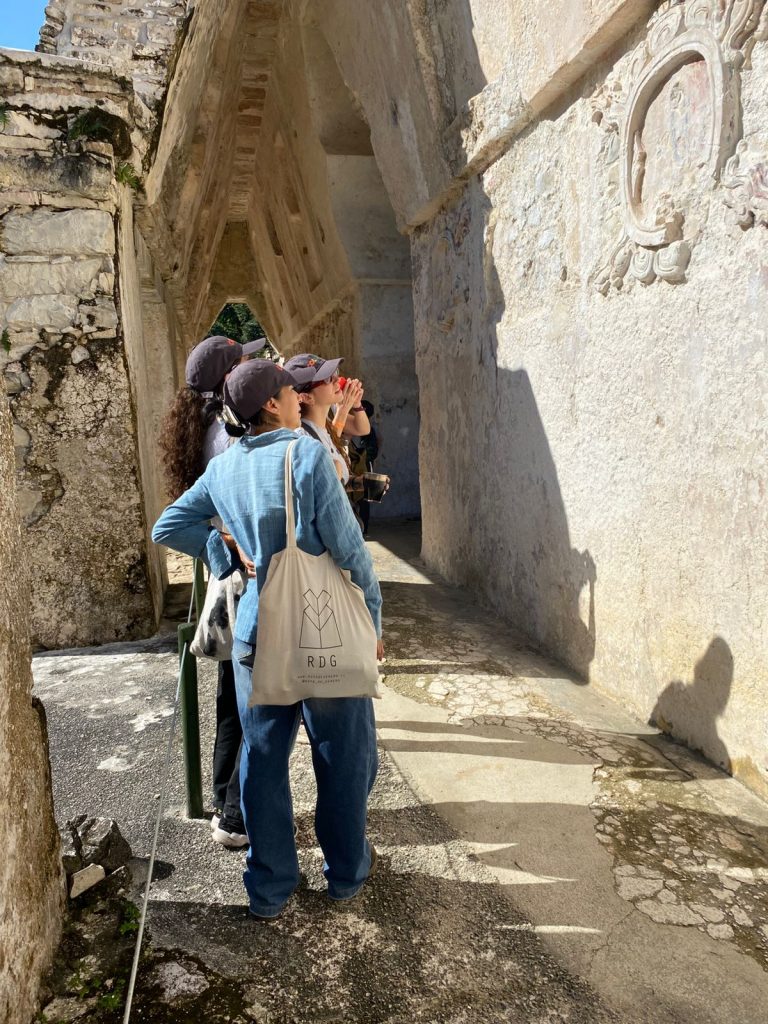
Image 3 Exploring the glyphs upon the walls of Palenque – and also their vandalization by the 19th century visitors.
Considerations and Challenges
Constructing museum narratives capable of activating critical reflection on the past—instead of presenting it as a closed fact—constitutes one of the main contemporary challenges, even for approaches that are considered alternative, such as activist archaeology. Until today, there is a marked disconnection between the glorification of “past civilizations”, and display of their material heritage at archaeological sites and in museums, and the still marginalized cultural production of living indigenous artists. Also, the work of people who support the researchers and those who “collaborated” closely in the research is until today often forgotten or undervalued by the researcher and the audience. The dispute surrounding heritage objects is thus not limited to their materiality, but also involves the institutional forms of production and validation of knowledge.
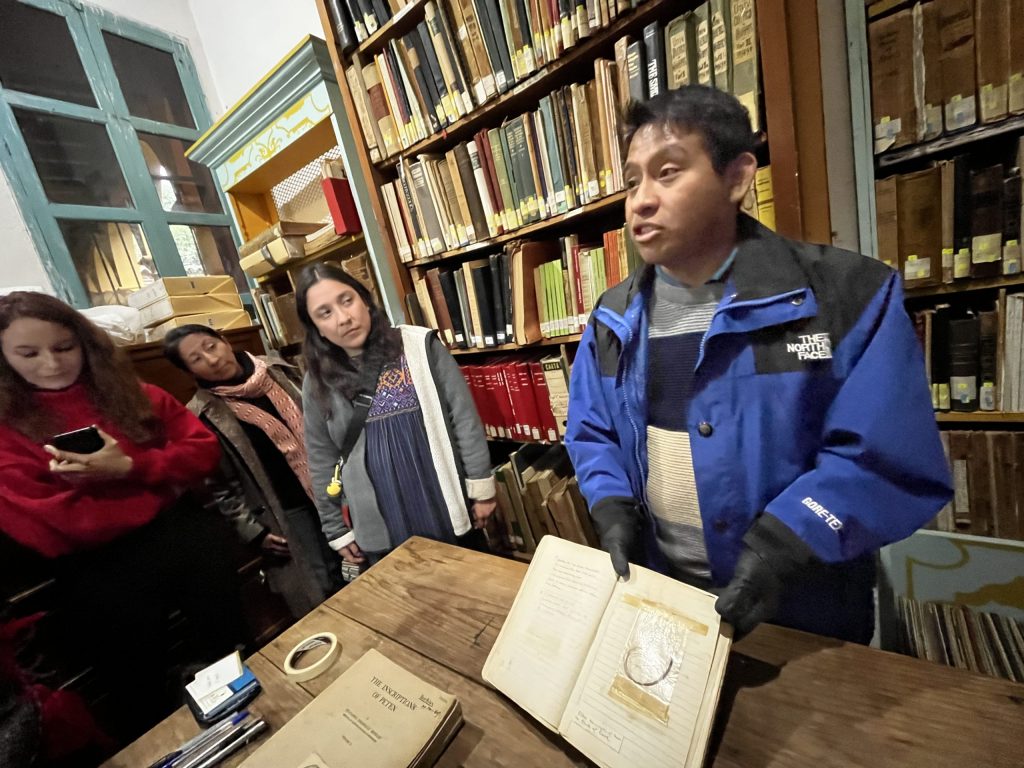
Image 4 Visit at the museum and research Casa Na Bolom – dedicated to the history and culture of the Lacandon Maya, and the two explorers, Franz Blom abd Gertrude Duby Blom.
Critical curating can function as an analytical and practical tool for questioning these dynamics. Rather than proposing closed alternative narratives, this approach invites us to make visible the processes of selection, classification, and mediation that underlie every exhibition, assuming conflict as a constitutive condition of knowledge. Instead of seeking definitive accounts of the past, the aim is to raise questions that allow us to reactivate the relationship between objects, histories, and subjects, and to assume that all exhibition practices entail an ethical and political stance regarding the memories they choose to make visible and those they continue to leave out.
Decolonization could make historical epistemic violence visible, return agency to communities, question hegemonic narratives and create spaces for subaltern knowledge. However, what should not be sought with it is to return to an idealized past, try to solve all contemporary inequalities with it, replace one dogma with another or ignore historical complexities.
Indigenous knowledge (oral histories, territorial knowledge, traditional practices) is not “data” to be extracted, but valid epistemological systems that engage in dialogue on equal terms with archaeological knowledge. Communities have the right to define what is researched, how and for what purpose, and to receive the benefits of the research, whether it is economic, political or symbolic. But the “communities” are not homogeneous, which can generate internal tensions.
Experiential Insights: The Tip of an Iceberg
There was much more, debates on conceptual and methodological issues, but also sharing of life and work experiences, and of family histories, and lot of joking and laughter on the way to Palenque and back. When we tried to come with some keywords summarizing the experience, one that we agreed on was the “tip of an iceberg”. Many problems remain to be explored, and there certainly are numerous possibilities for collaboration in the future.
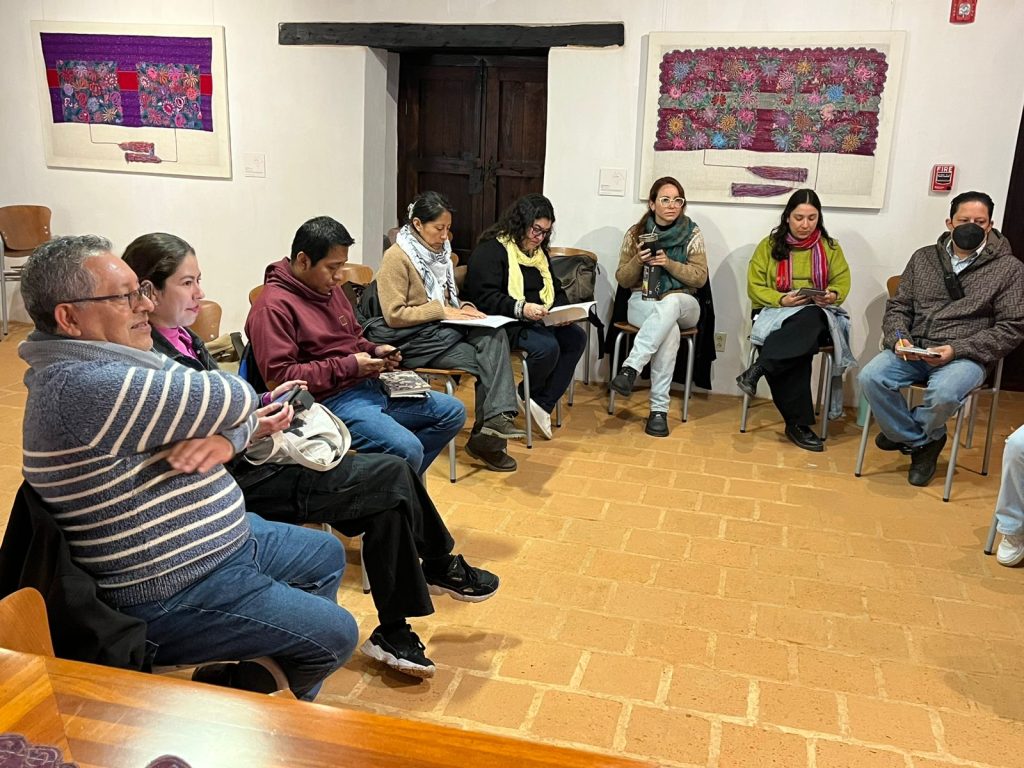
Image 5 Discussion during the workshop, in the rooms of the Centro Textiles del Mundo Maya.
Workshop Collaborators
The workshop itself was organized principally in cooperation with the Centro de Investigaciones y Educaciones Superiores en Antropología Social (CIESAS, https://ciesas.edu.mx/), San Cristóbal de Las Casas, the principal collaborator being José Luis Escalona Victoria, but also with the Centro de Investigaciones Interdisciplinarias en Ciencias y Humanidades de la Universidad Nacional Autónoma de México (CEIICH UNAM, https://ceiich.unam.mx/) in Ciudad de México and numerous public and private institutions of memory (museums, galleries, archives), including:
- Museum Casa Na Bolom, (https://www.nabolom.org/)
- Centro Textiles del Mundo Maya, (https://centrotextilesmayas.org/)
- Galería MUY, (https://www.galeriamuy.org/)
- Centro de documentación Bats’i Lab, (https://www.batsilab.org/)
- Colectiva Malacate, (https://directoriodecuidados.com/directorio/colectiva-malacate/)
- Museo del Sitio de Palenque, (Instituto Nacional de Antropología e Historia), (https://lugares.inah.gob.mx/es/node/4293)
- Museo del Sitio de Toniná, (https://lugares.inah.gob.mx/en/node/4294)
In this video tutorial, explore the key insights from the Seminar on Curatorship of American Antiquity.